Neighbourhood and district economic development
The majority of African urban residents live and work in informal settlements, engaged in small-scale, often home-based economic activities. Earnings from these activities are typically low and precarious, with informal moneylenders providing vital services to residents, but usually on exploitative terms.
Some residents work beyond their neighbourhood, through their own microenterprises or employed by larger businesses, which tend to be more stable, regularised and with better established markets. However, due to unreliable infrastructure services and limited benefits of co-location in African cities, there are few such firms, so their contribution to poverty reduction and structural transformation is limited.
Looking through ACRC’s political economy lens, neighbourhood and district economic development reflects the distribution of economic and land rent in the local economy. City systems need to be mobilised so that enterprises can function smoothly. The living standards of the urban poor in these neighbourhoods could therefore be improved by strengthening city economies, generating “decent work” opportunities and boosting entrepreneurial skills. This involves a wide range of key actors, including economic development agencies, business/trade associations, informal business networks, trade unions and other labour organisations, and local politicians.
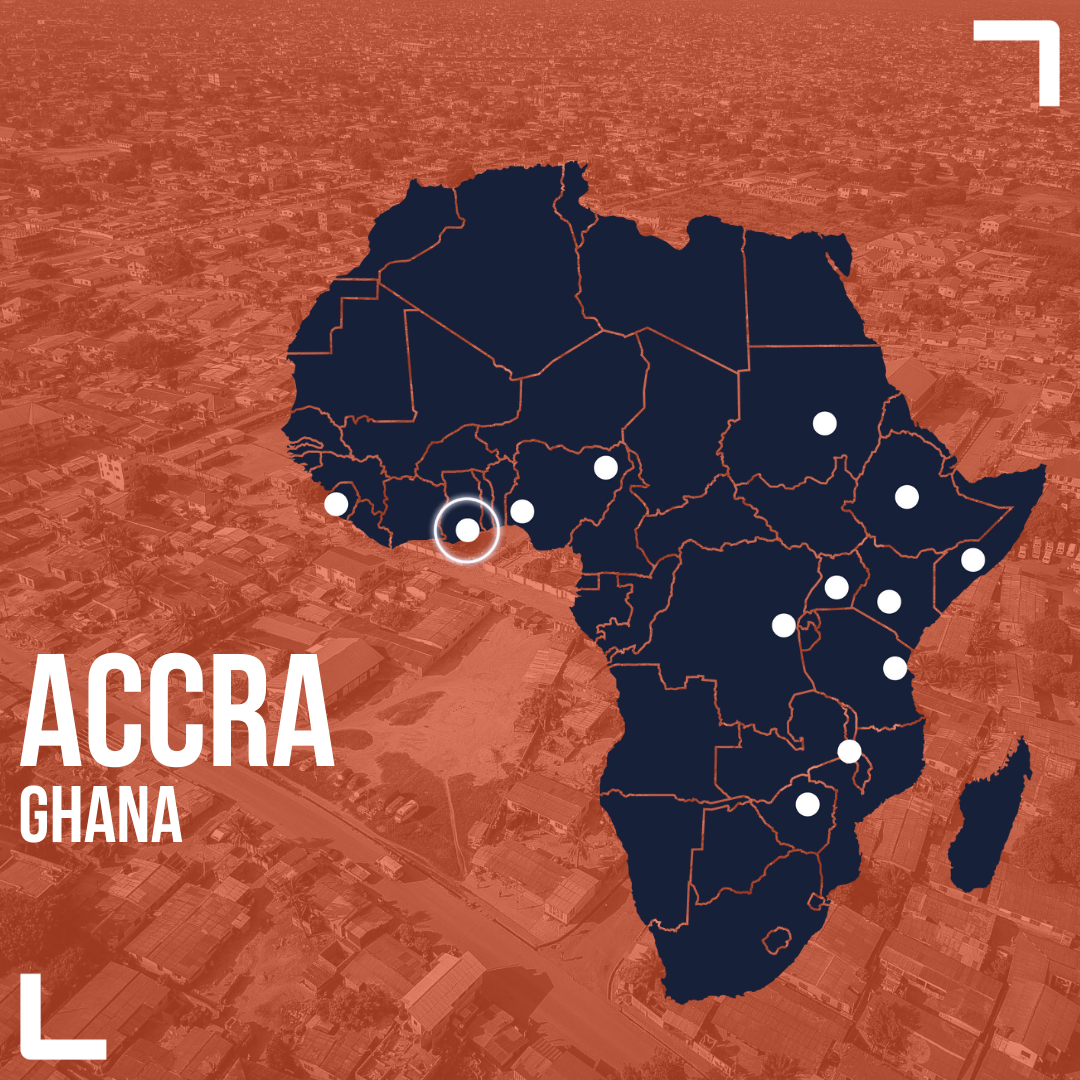
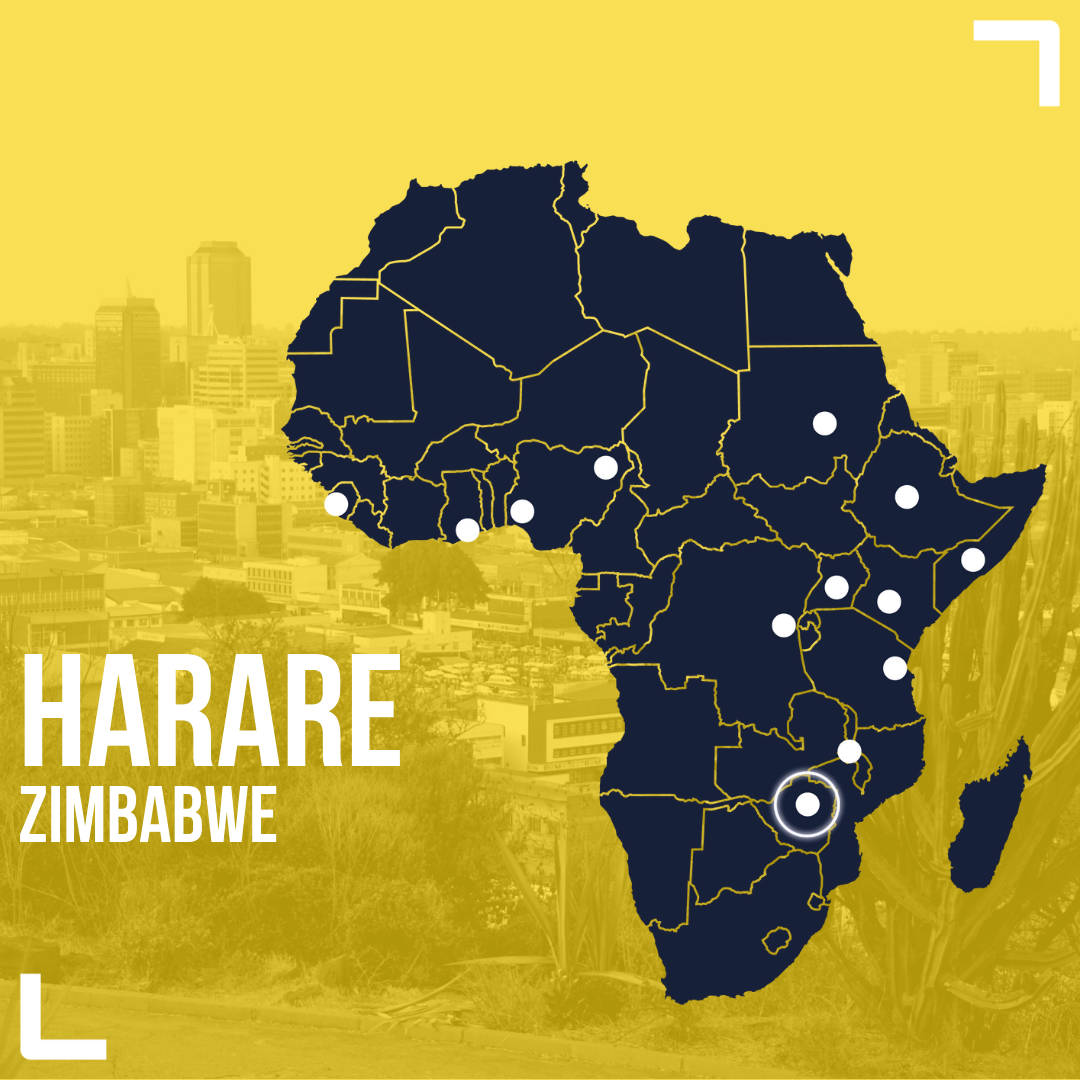
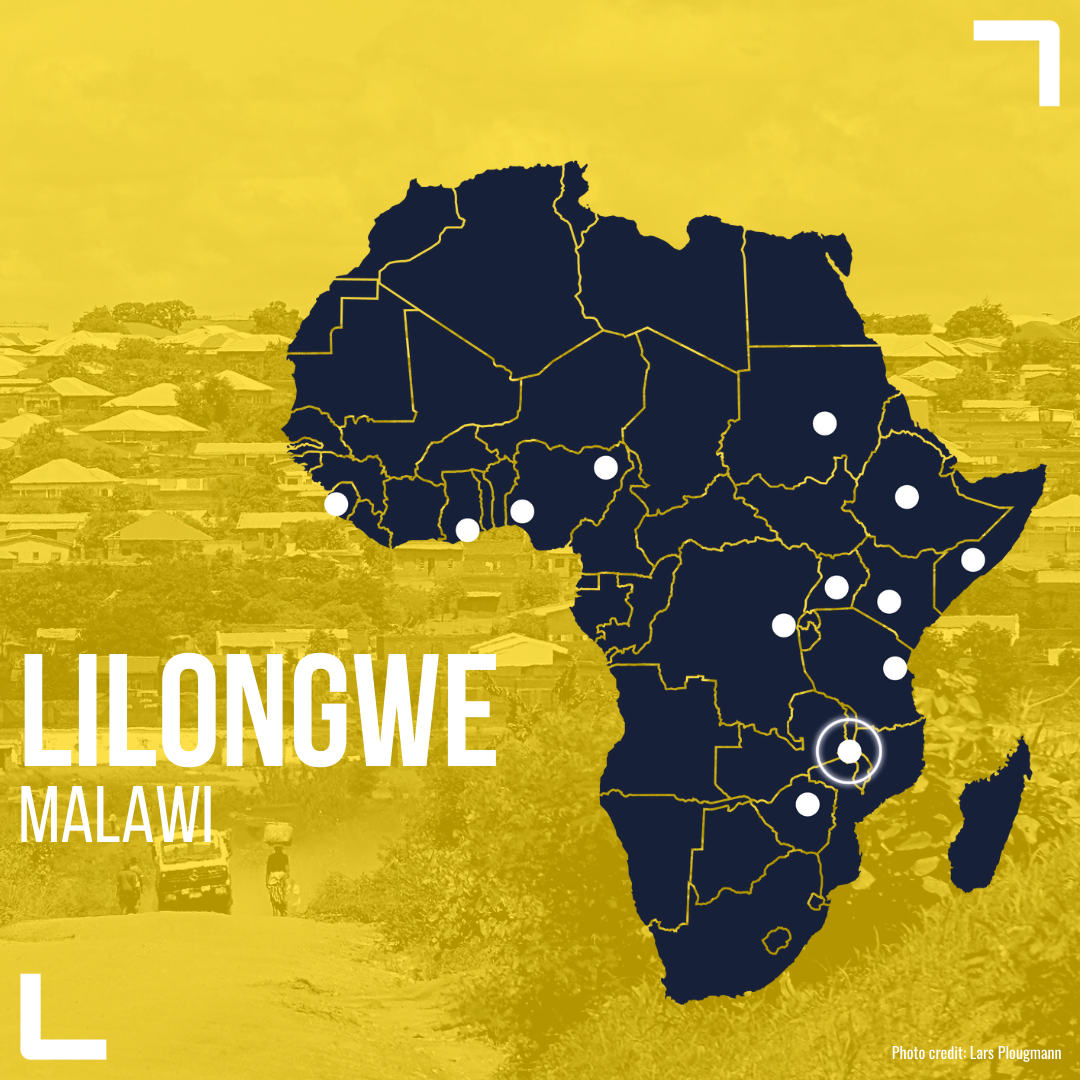
Within the neighbourhood and district economic development domain, we are focusing on the following cities:
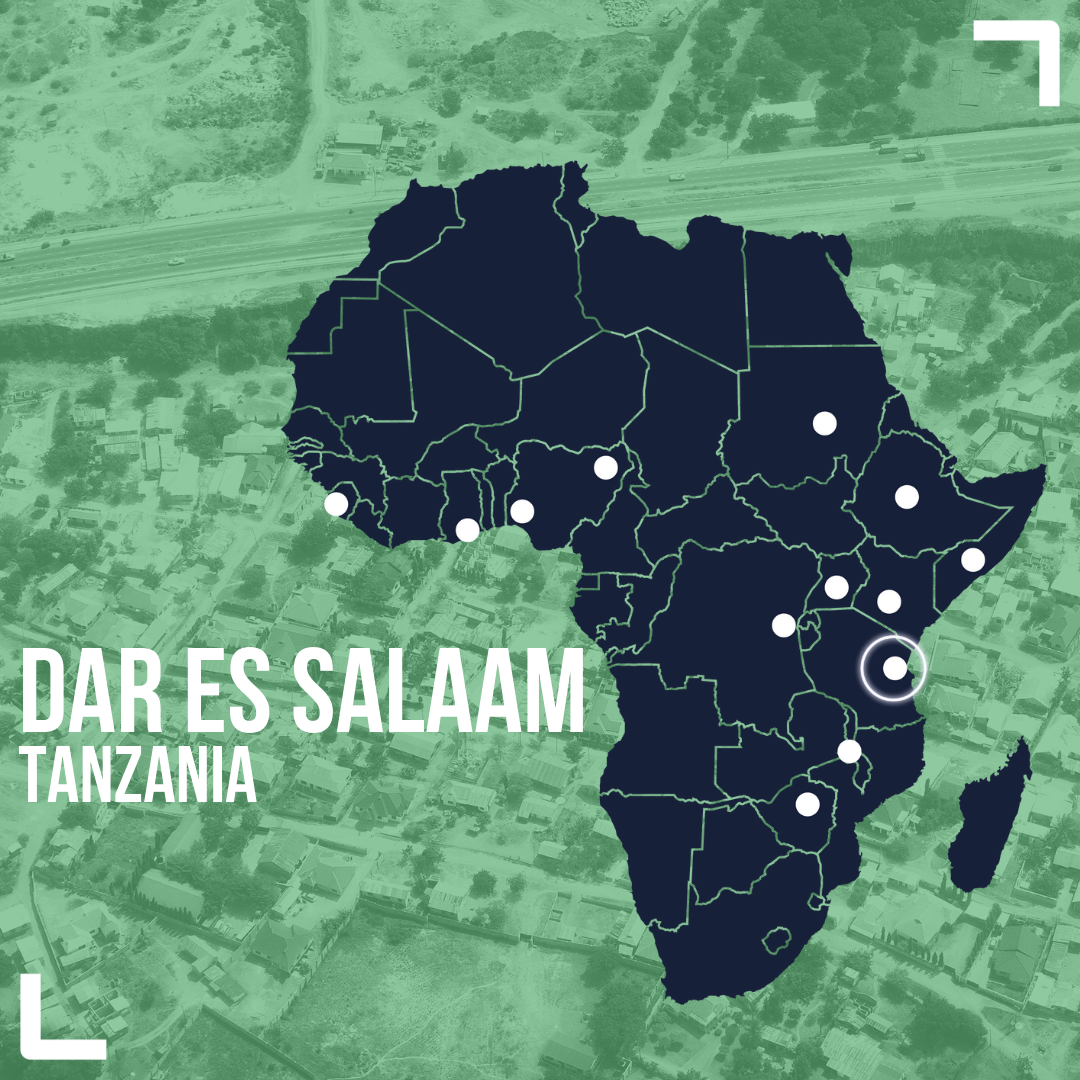
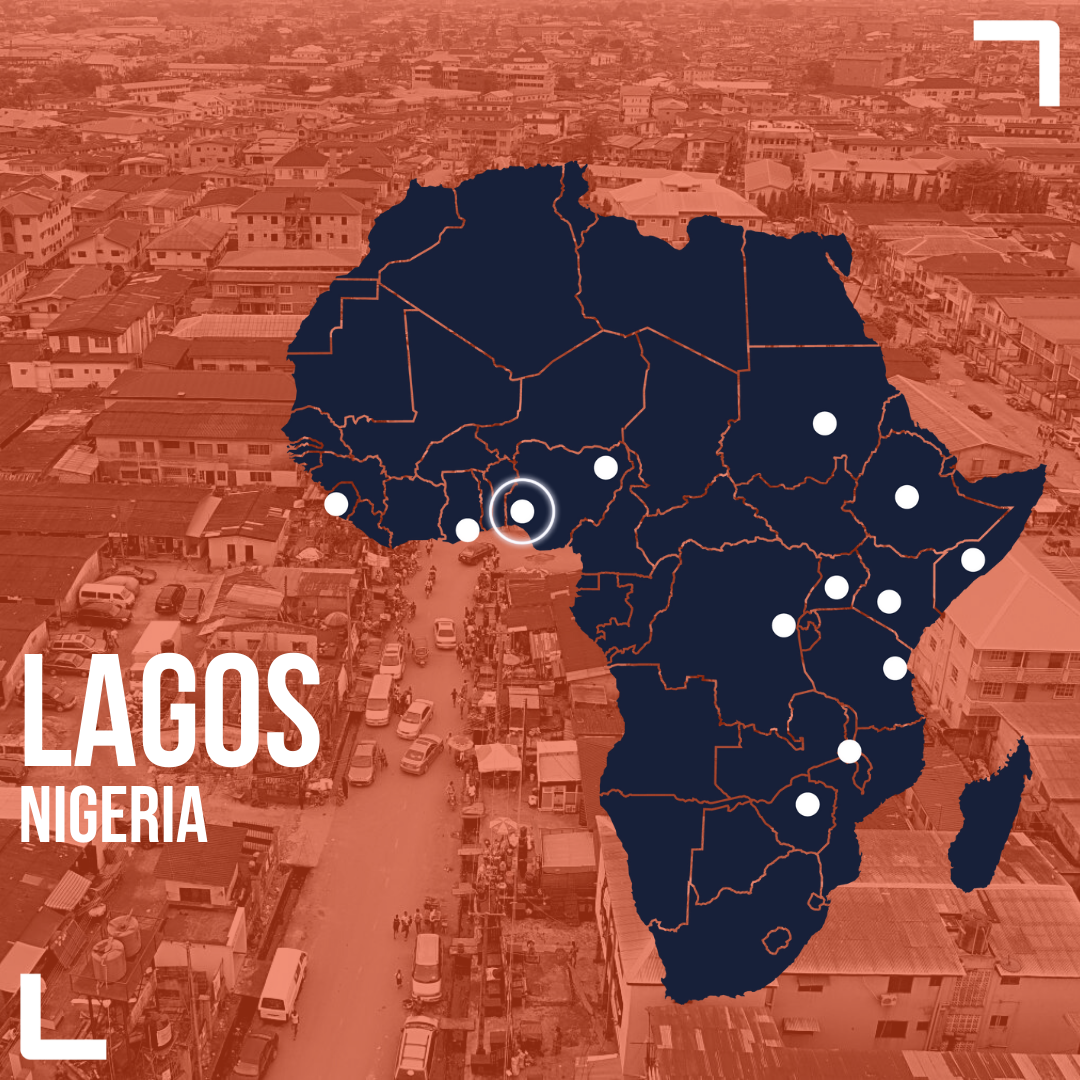
LATEST NEWS from ACRC
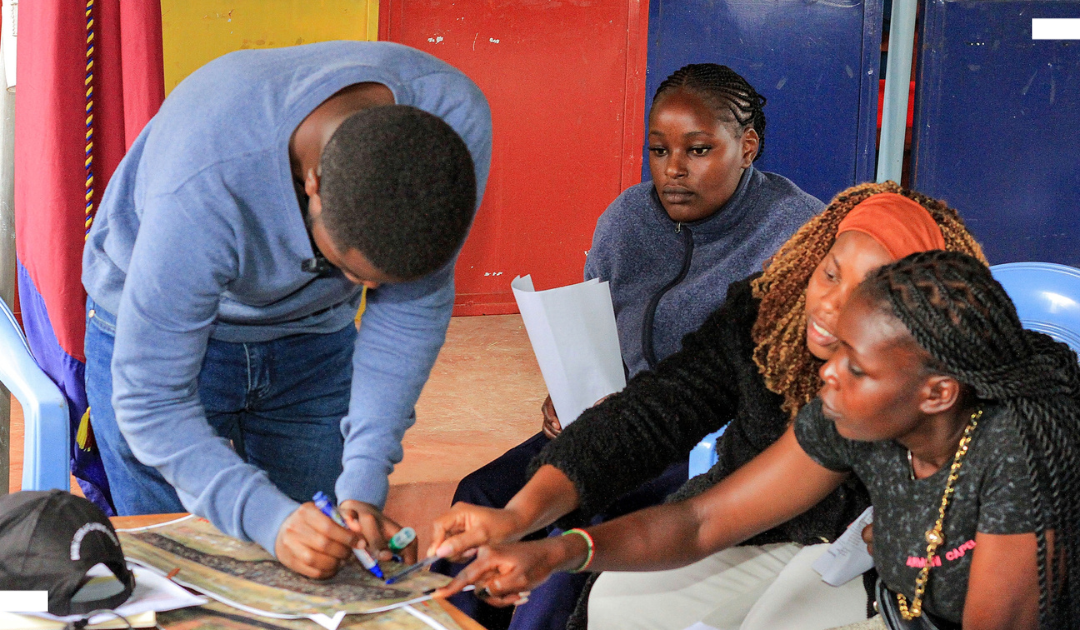
The power we see is not the final power: What land enumeration revealed in Mathare
Before we began the land enumeration, we thought we understood how power worked in Mathare. We grew up walking the same narrow paths, greeting elders at junctions and hearing everyday conversations about land, leadership and survival.
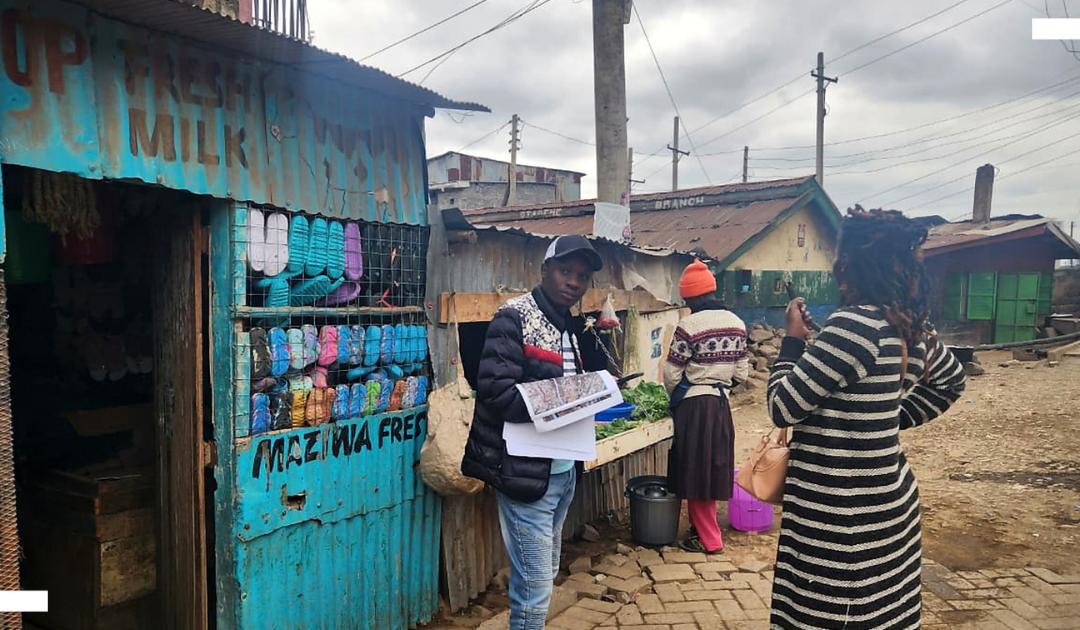
“Who sent you?” Lessons on trust from community-led research in Mathare
“Who sent you?” It was one of the first questions we heard while carrying out land enumeration in Mathare. It was often followed by others: “Who will see this information? Is it connected to demolitions? What will happen after you leave?”
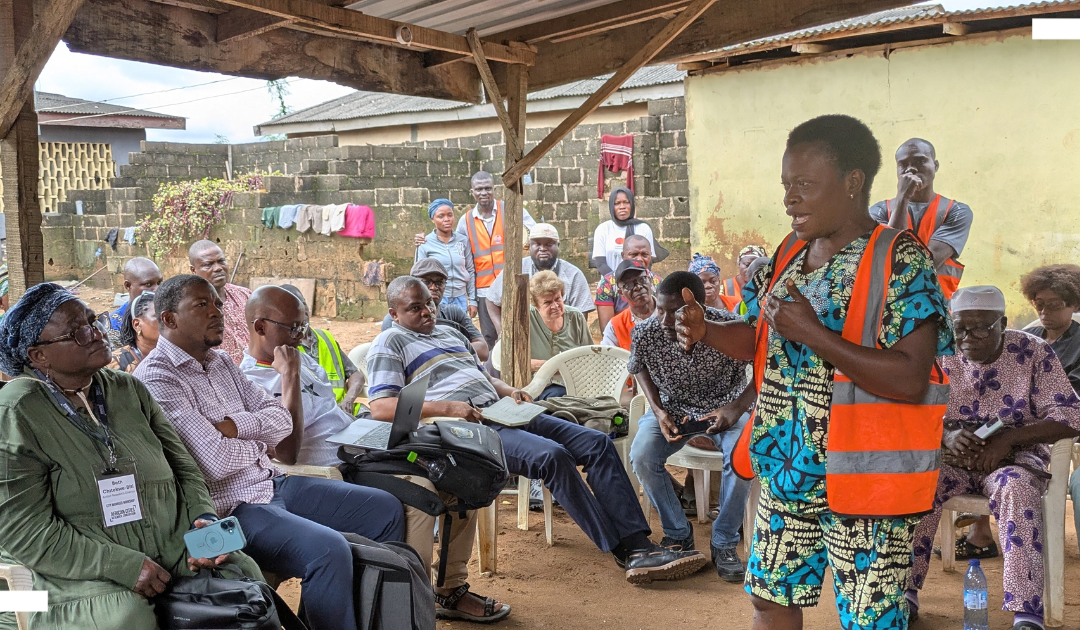
Podcast: The power of community knowledge
Chris Jordan is joined by Beth Chitekwe-Biti and Diana Mitlin for a conversation about the role of community knowledge within ACRC and beyond – including what it is, how it works and how it fits into ACRC’s research processes and aims around urban reform.