
Housing
Against a backdrop of poverty, underinvestment in basic infrastructure and contested land development, housing provision is lacking in African cities. In the absence of state support and affordable market opportunities, many households – including those in the middle classes – find housing in the informal sector, with associated insecurities.
As well as providing safety, security and access to essential basic services, housing also gives urban residents access to labour markets, a legal address and even a site for household economic activities. For city and national governments, housing construction is an important source of enterprise activity and employment. The cost, availability and suitability of urban housing options are influenced by multiple formal and informal systems, with a wide range of actors involved.
ACRC will examine the connections between these various systems and actors, along with other pertinent issues – including mass housing programmes versus incremental development, affordable housing, subsidies and environmentally friendly building materials – and how these intersect with other urban development domains.
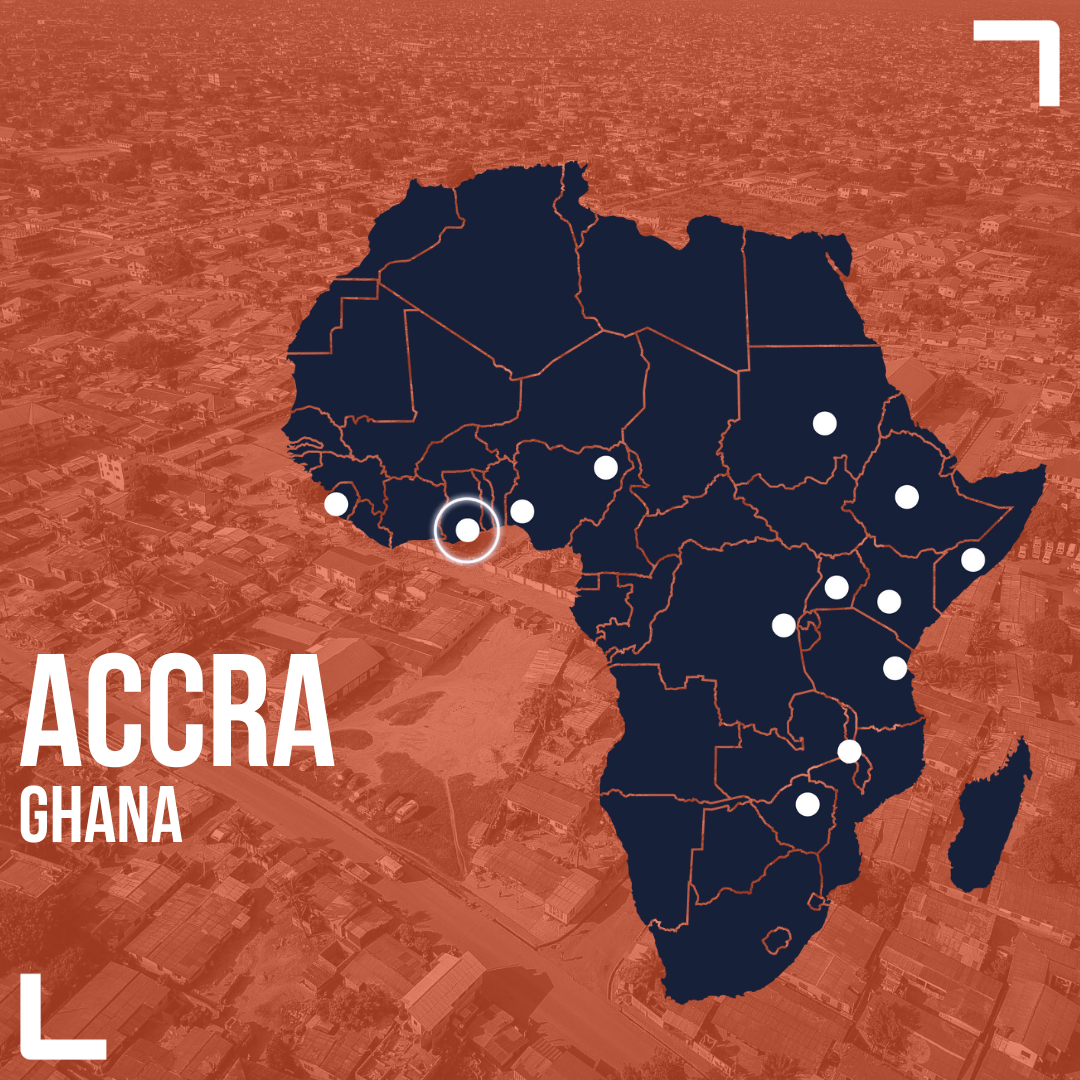
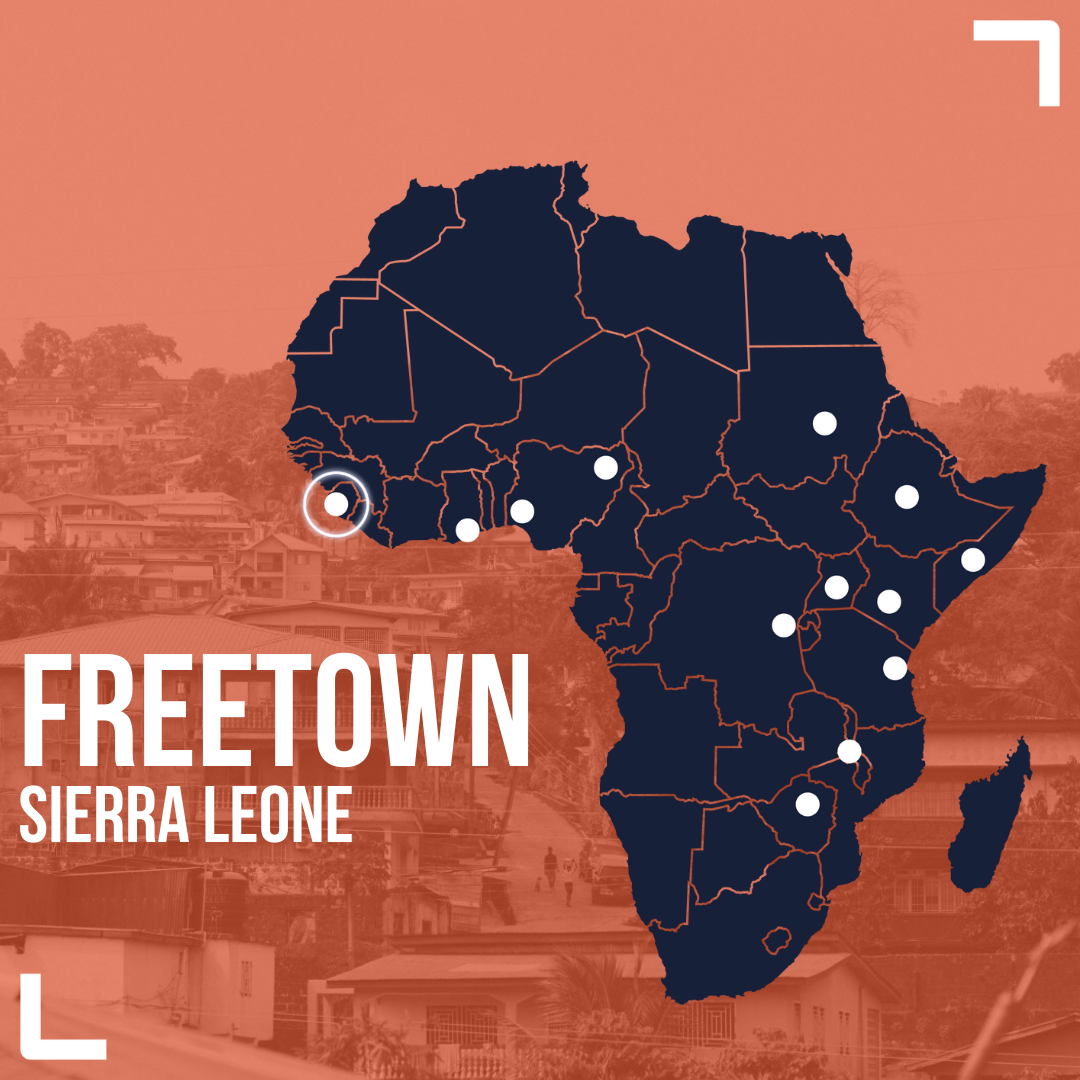
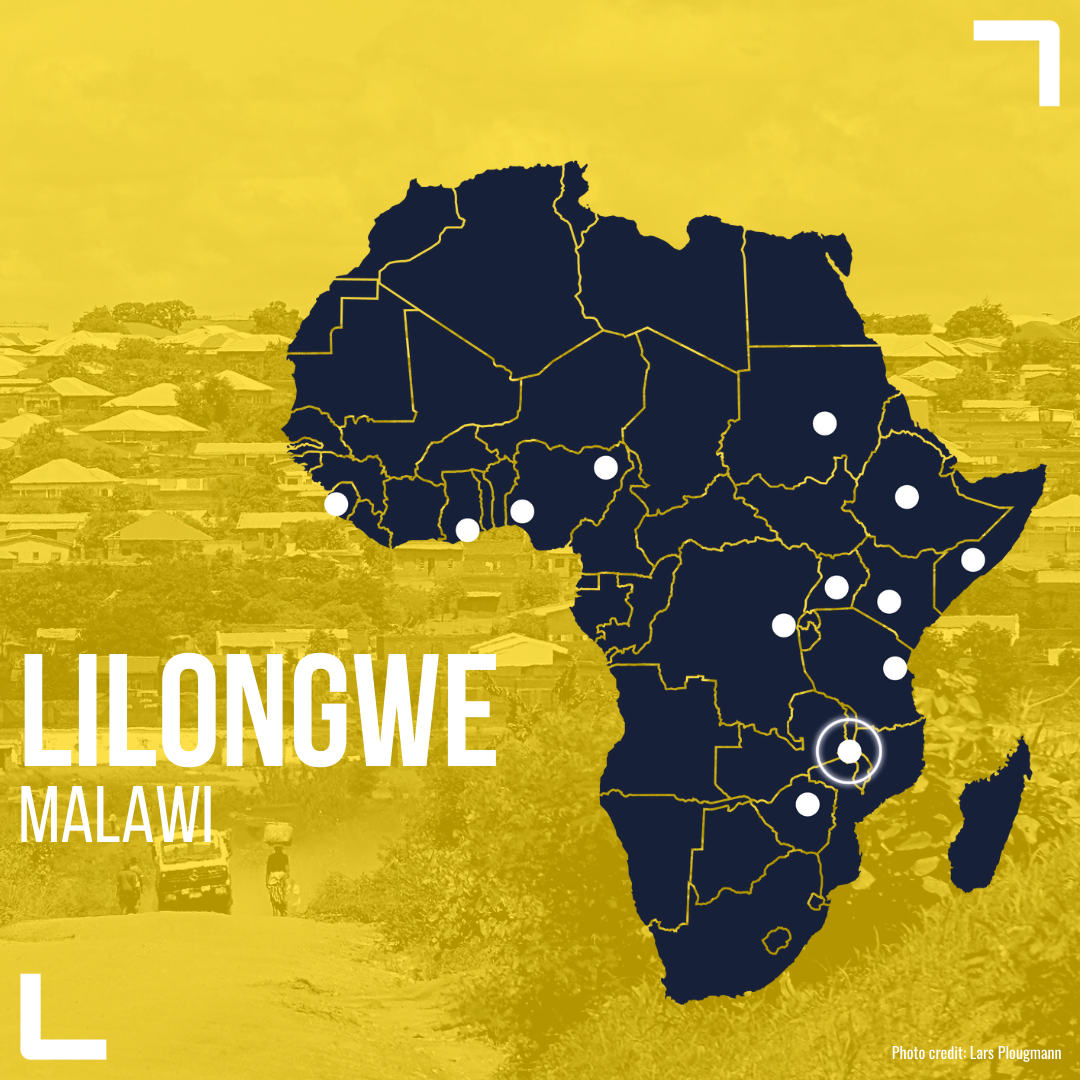
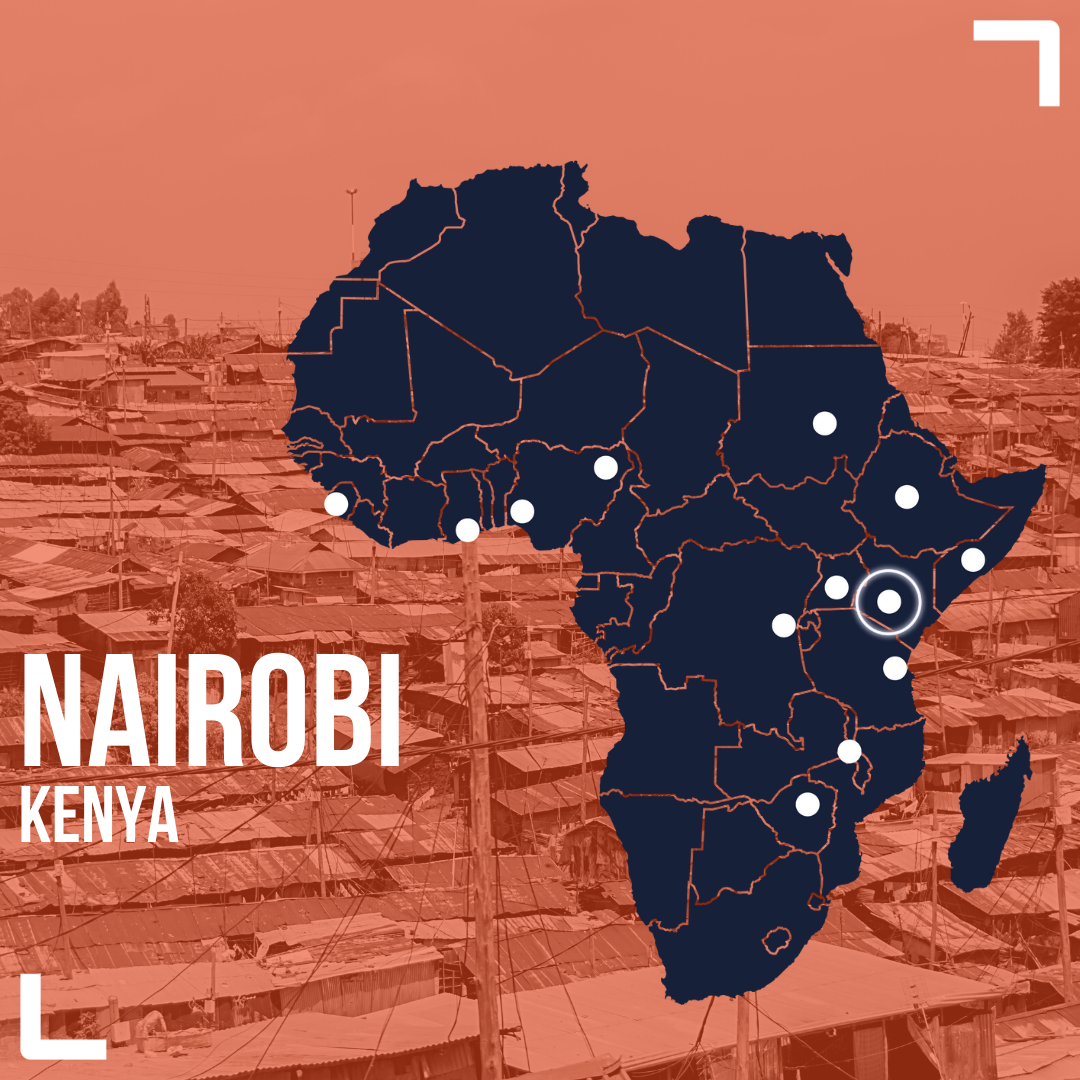
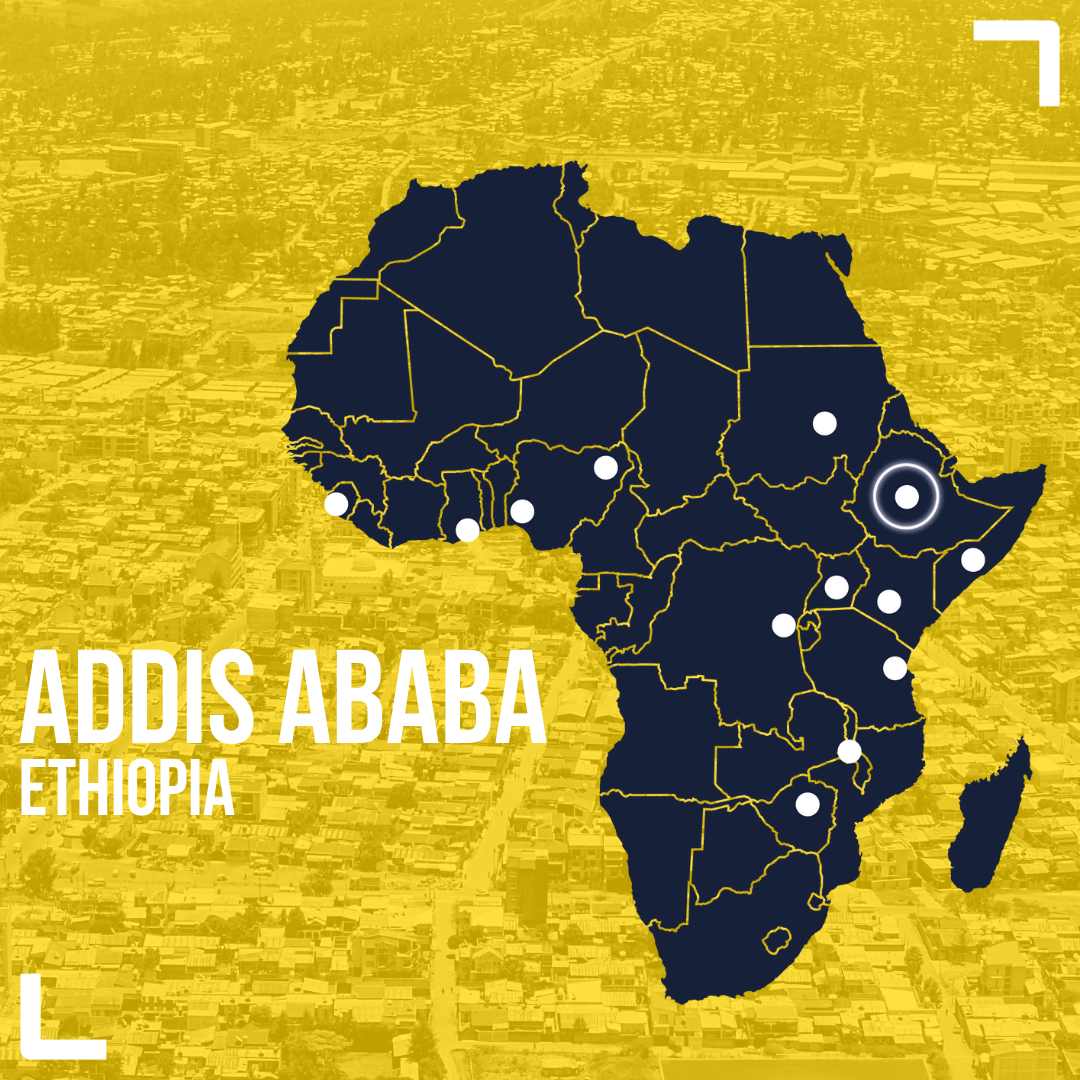
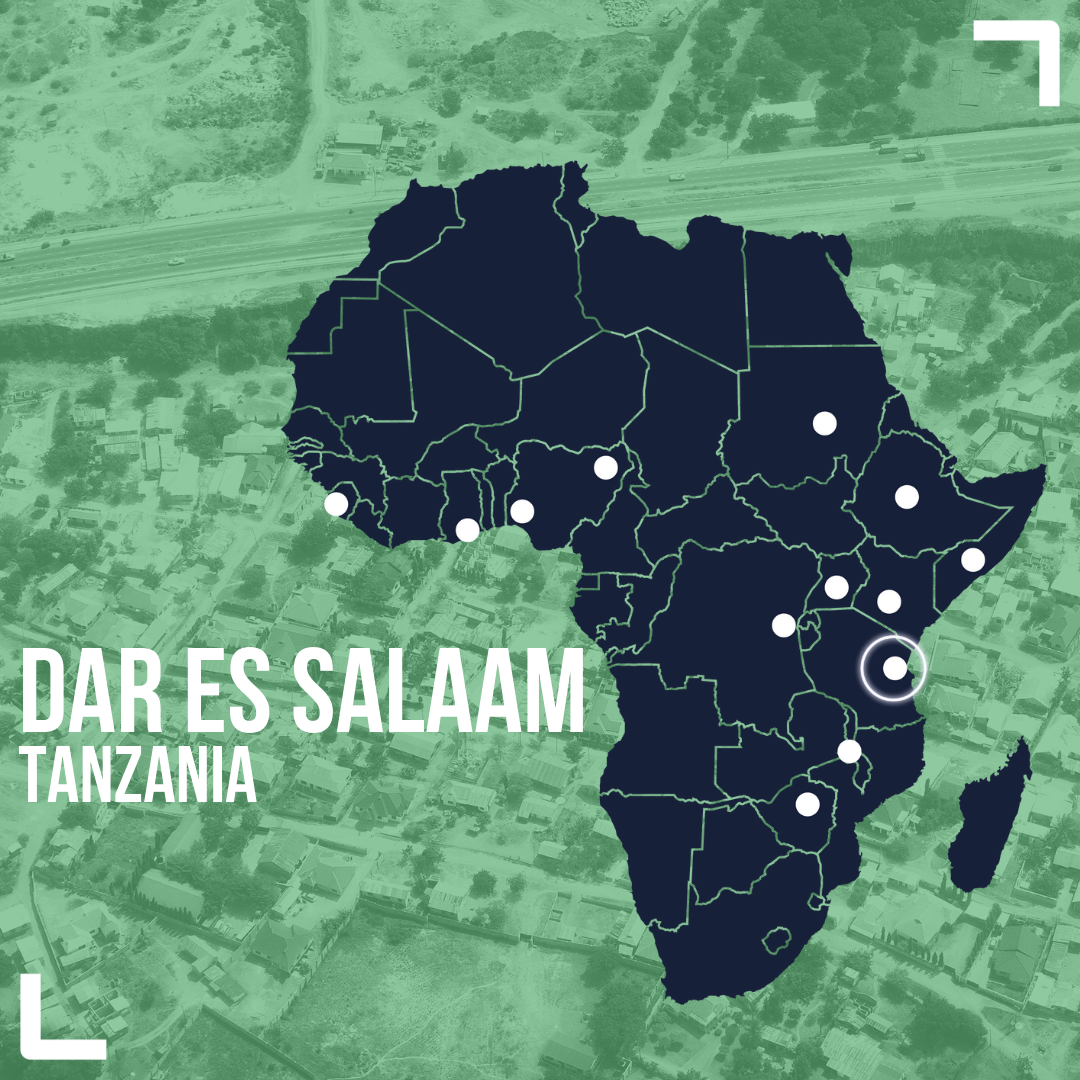
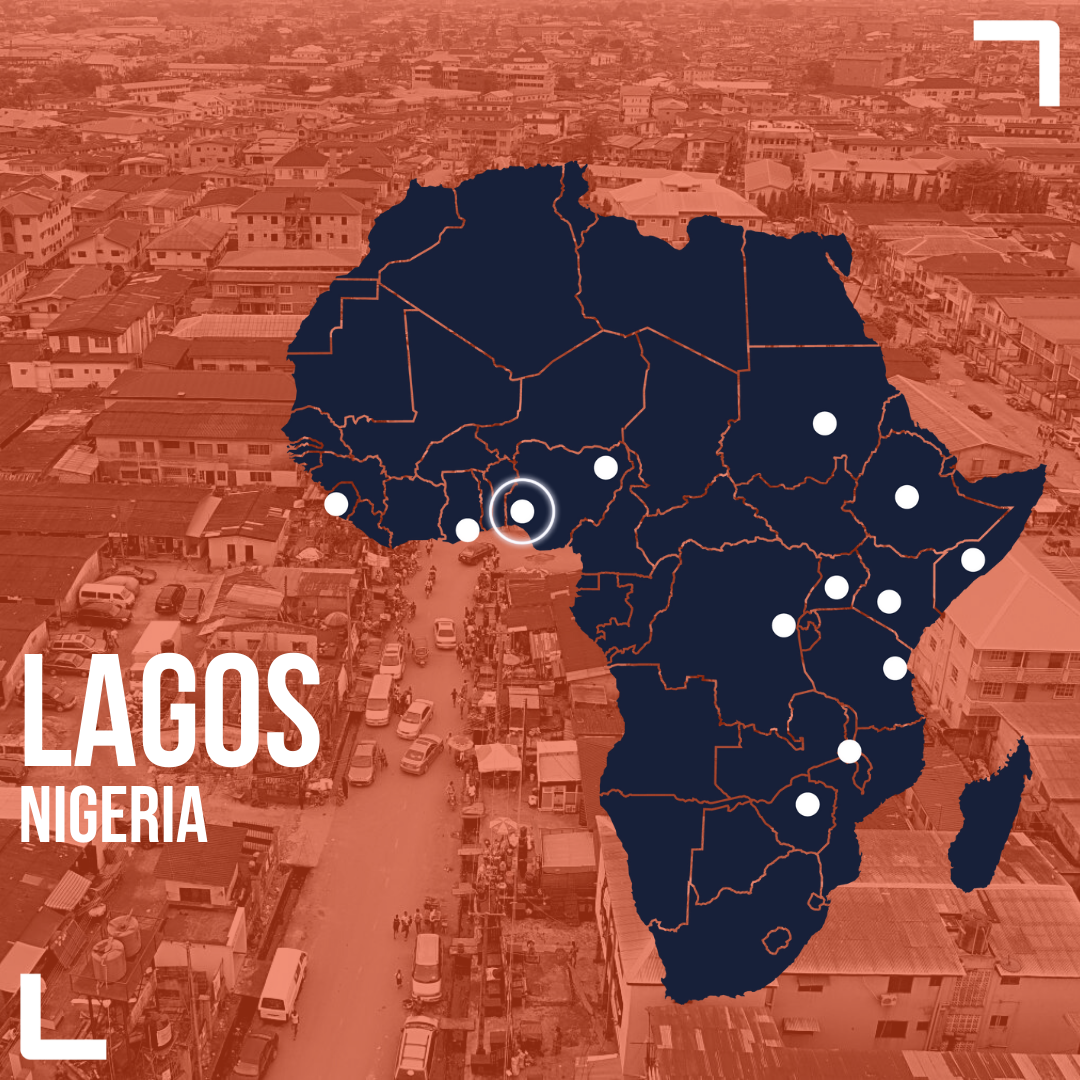
Within the housing domain, we are focusing on the following cities:
LATEST NEWS from ACRC
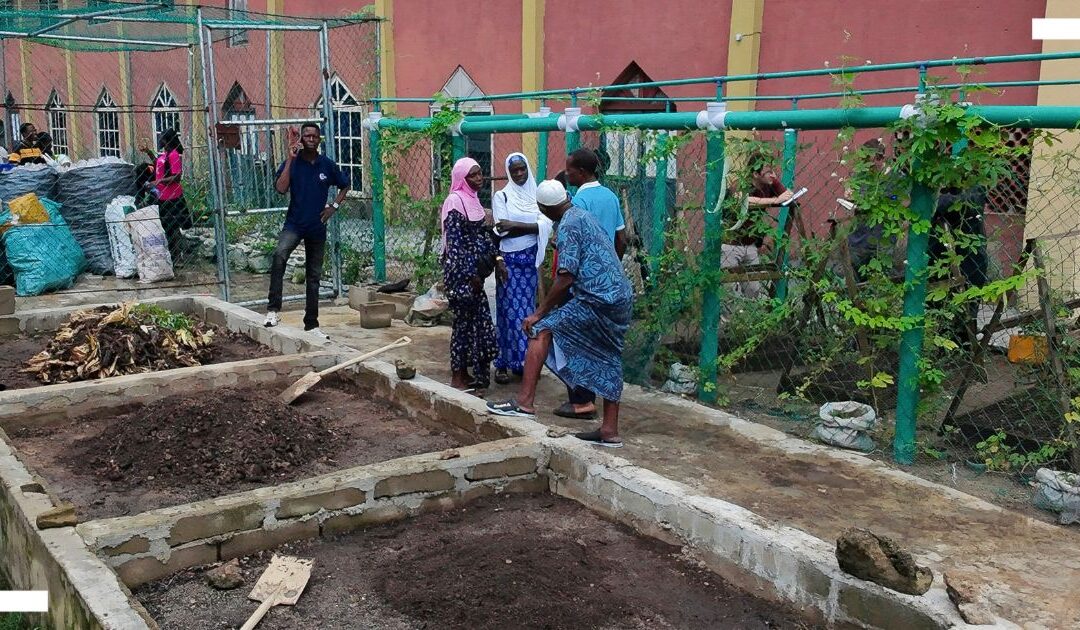
From Black Spot to Green Hub: Community Waste Management in Ajegunle-Ikorodu
What actually happens to the waste generated by households and vendors in an informal community where formal collection services do not consistently reach? Community members in Lagos answered that question by creating a community waste hub.
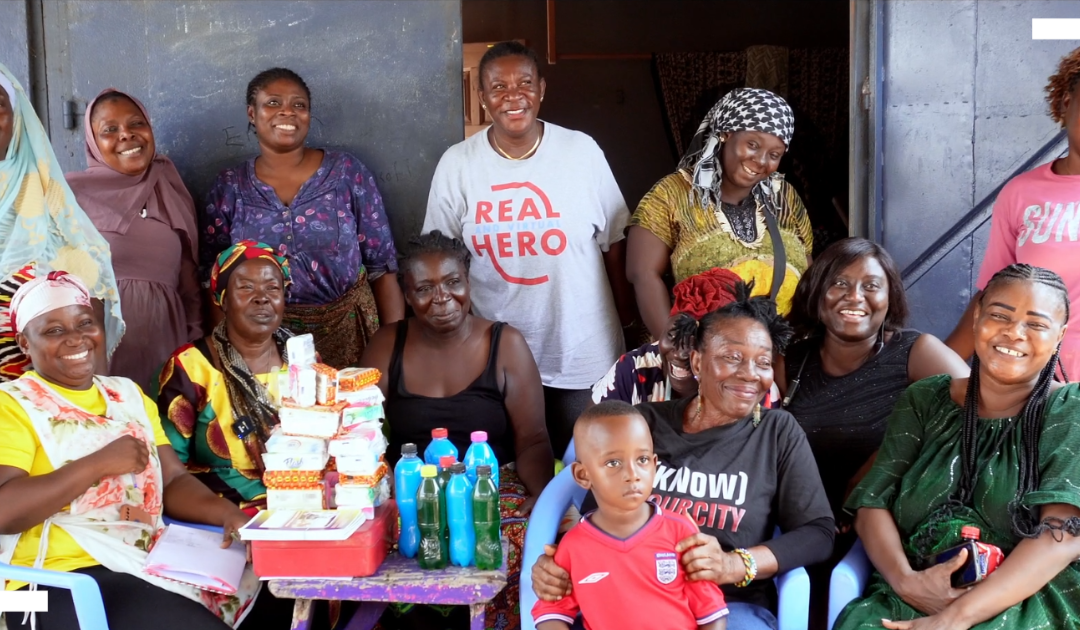
Waste, work and organising in Old Fadama, Accra
A new film, produced by the Know Your City TV team at SDI, gives a personal insight into the experiences of Hawa Dauda and her neighbours as they navigate daily life in Old Fadama, Accra.
Get to know… Tom Goodfellow
Hear from ACRC’s CEO, Tom Goodfellow, as he tells us about how he got into urban development, what he finds most interesting about the ACRC approach, what African cities can do to drive progress, and more.